The bathroom sink holds a quiet yet constant place in everyday life. Morning routines start here. Evening habits finish here. Quality in bathroom fixtures shapes lasting comfort and ease. Design and style both matter for a full update. Kohler lav faucets bring designs that balance form with function. Kohler kitchen sink faucets once set high marks in another space. Now Kohler lav faucet options lead in the bathroom arena with equal care. Kohler Bhutan carries this same standard forward through careful craft and available ranges. Conventional or compact bathroom layouts both benefit from the points below.
1. Measure the Faucet Centre
Sink configuration comes first. Hole count. Spacing between them. Most standard bathroom sinks feature one hole or three. Some premium models include four for soap dispensers or extra accessories. The distance between holes, known as faucet centres, usually measures 4 or 8 inches. A measuring tape settles the exact figure. Compatible fixtures then follow without later surprise. Bathroom faucets demand this check before any order.
2. Measure for Spout Height
Spout height carries real weight. Overhead cabinets or mirrors often sit close above a bathroom sink. Measure from the sink deck upward to the lowest obstruction. Subtract around 3 inches for smooth clearance. That figure marks the maximum spout height worth noting early. Deeper basins favour taller spouts for filling larger vessels with ease. Balance guides every choice here.
3. Measure for Spout Reach
Spout reach covers the distance from the faucet body to the basin centre. Multiple compartments or unusual shapes make this measurement sharper still. Standard setups work best when the spout lands near the middle. Corner or compact bathroom sink layouts need reach that covers every section cleanly. Short reach forces constant repositioning of items. Long reach risks water landing beyond the rim. Steady daily use depends on the right span.
Once those three measurements sit clear, faucet type selection begins. Popular styles appear below.
Types of Bathroom Sink Faucets
Single-Handle Faucets
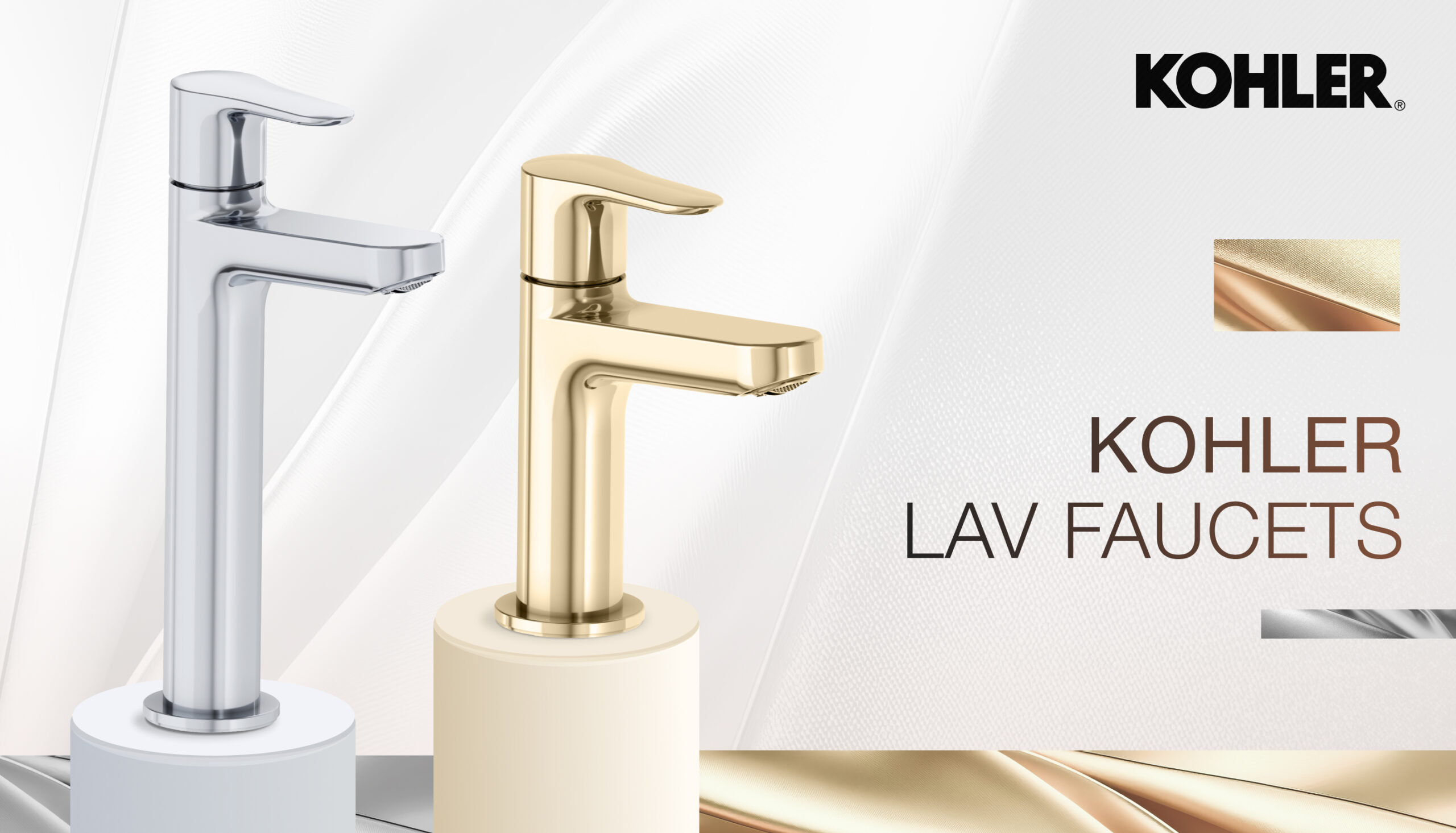
Clean lines define these. One lever controls both temperature and flow. Mounting sits on top or to the side of the spout. Contemporary bathrooms favour the minimal look. Single-hole installation keeps options open for future changes. Subtle lever shifts find the preferred water temperature after a short period of familiar use.
Dual-Handle Faucets
Separate controls for hot and cold water deliver precise temperature. Handles may share a base plate or stand in widespread formation. Exact settings suit tasks that need steady warmth. Cleaning attention focuses where handles meet the counter surface. Traditional bathrooms gain a familiar and steady feel from this layout.
Bridge Faucets
A horizontal pipe links dual handles to a central spout. Exposed pipework creates a classic look that pairs with traditional or farmhouse-inspired bathroom sink designs. Mechanical construction remains visible. Three-hole configurations suit most models. Wall-mounted versions appear for special cases. Some modern versions add retractable sprayers while keeping the period form intact.
Pull-Out Faucets
The spray head extends toward the user rather than downward. Shorter spout height often appears. Control stays high. Cabinets or windows above the sink limit clearance in many spaces. Extension reaches useful lengths in larger or divided basins. The hose returns neatly to its rest position with consistent models.
Kohler Sensor Faucets
Motion near the sensor starts water flow. Contact with handles stays unnecessary. Messy tasks gain clear convenience. Hygiene benefits follow from the contact-free action. Battery performance and sensor response differ across models. Careful comparison of Kohler Sensor Faucets pays off. Voice or app options appear in select ranges. Bathroom taps in this style suit health-focused spaces especially well.
Centerset and Widespread Options
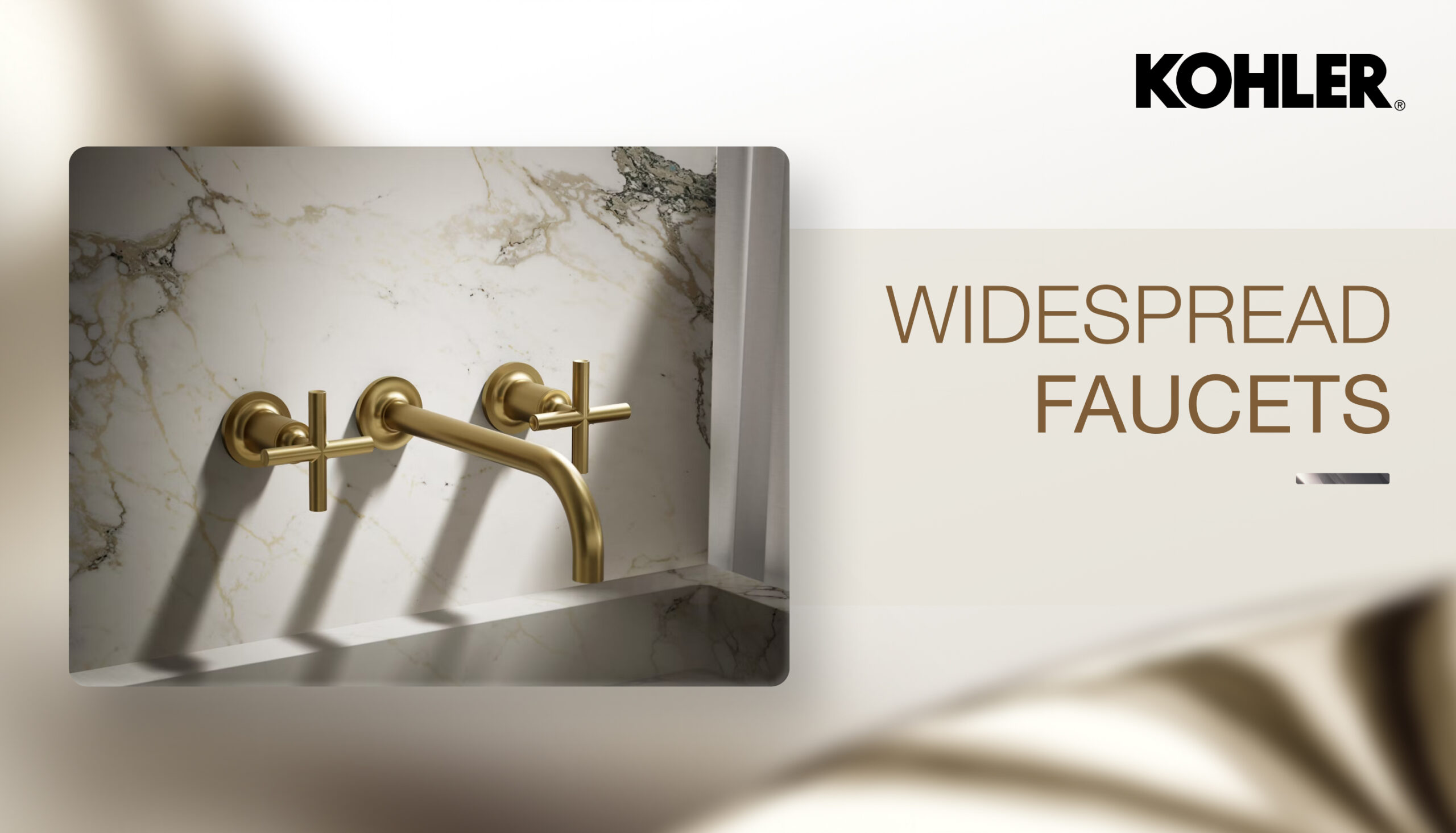
Centerset units keep handles and spout on a shared plate for compact decks. Widespread versions space the parts further apart for broader surfaces. Both sit within the wider family of bathroom faucets. Installation type matches the existing hole pattern exactly.
Selection weighs more than surface looks. Water efficiency ratings, handle shape, finish strength and sink compatibility all play a part. Kohler lav faucets combine these elements with reliable performance. Kohler Bhutan makes the full range accessible for local projects. Bold choices in Kohler lav faucet designs reward daily use.
FAQs
What shape suits a bathroom sink best?
Rounded edges remain widely chosen. Rectangular forms maximise surface in larger rooms. Square and oval shapes fit compact layouts with ease.
How does sink size get decided?
Length, width and depth of the available space set the correct dimensions for a secure fit.
Which material works well for a bathroom sink?
Stainless steel offers strength and a clean appearance that lasts through regular use.
Do Kohler Sensor Faucets need special power?
Most models run on batteries with straightforward replacement cycles. Hard-wired versions exist for permanent installations.