Building or renovating a house requires picking suitable hardware for each area. A major step includes deciding on manual vs sensor faucets. Buyers will find diverse choices through Kohler Bhutan to match their specific tastes. Evaluating a sensor faucet vs manual faucet allows shoppers to select the best fit. Each type brings unique benefits to contemporary interiors. Examining these variations allows buyers to optimize their daily routines.
Looking at Manual vs Sensor Faucets for Daily Use
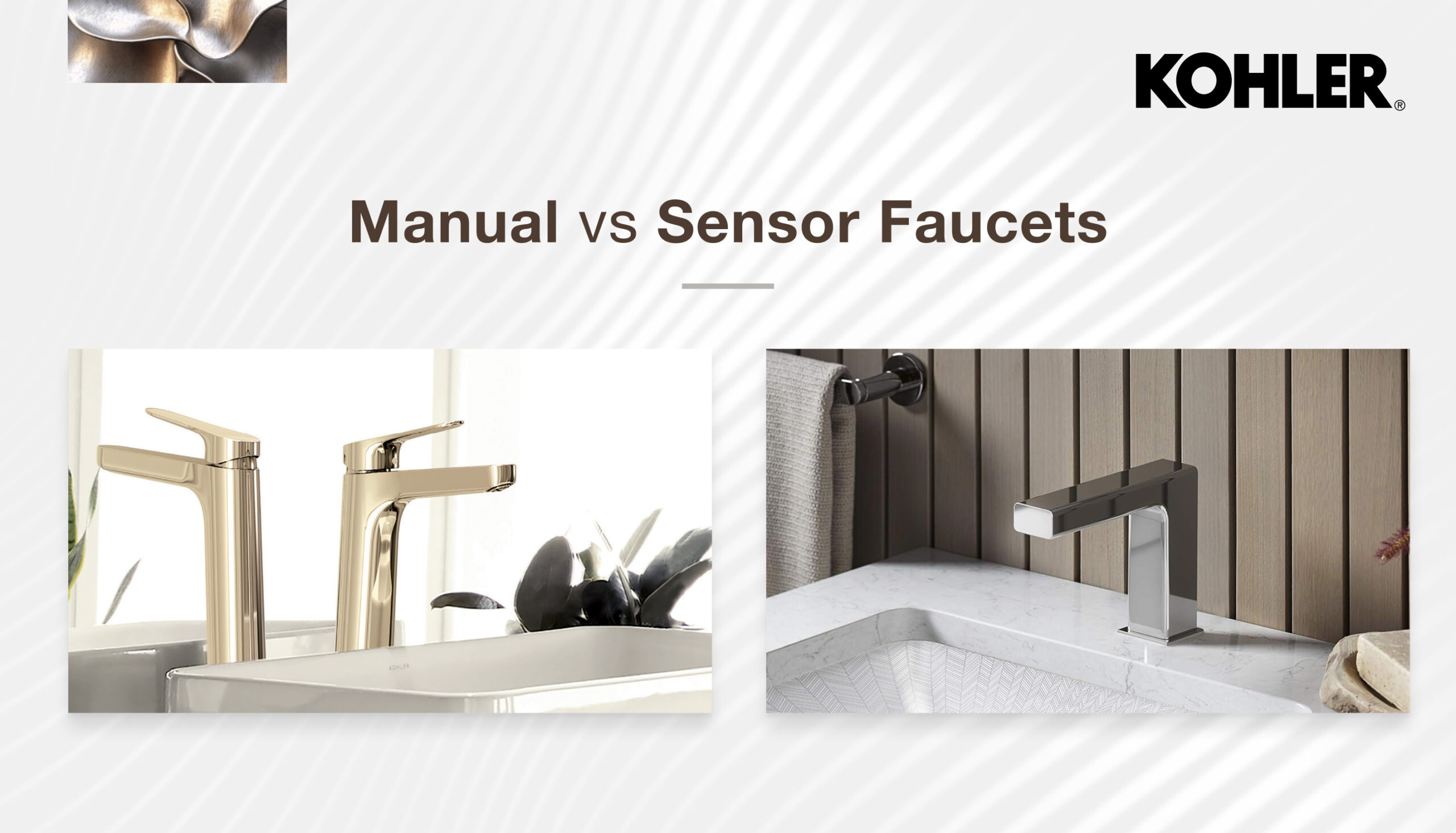
Water efficiency plays a huge role in evaluating manual vs sensor faucets. A touchless bathroom faucet runs completely on its own. It releases water only when hands approach the sensor. This mechanism saves water during routine activities like washing hands or brushing teeth.
Traditional models require physical operation. Users turn a lever or knob to control the flow. Testing a sensor faucet vs manual faucet reveals differences in convenience. People appreciate the automatic operation of electronic models. Manual designs offer precise control over water volume and temperature.
Hygiene Factors in Sensor Faucet vs Manual Faucet Comparisons
Keeping surfaces clean is essential in contemporary bathrooms. Analyzing a sensor faucet vs manual faucet points out the sanitary perks of hands-free hardware. A sensor faucet for bathroom use minimizes physical contact. Users bypass touching handles to activate the water stream. This reduces the transfer of germs across surfaces.
Testing manual vs sensor faucets shows that traditional fixtures require regular cleaning to maintain hygiene. Kohler Bhutan provides durable finishes that simplify maintenance for all styles. Looking at the sensor faucet vs manual faucet debate reveals that public spaces favor touchless designs. Residential bathrooms also benefit greatly from these sanitary features.
Types of Fixtures
Property owners face many choices during a renovation project. Grasping the exact sensor faucet vs manual faucet differences sheds light on the current market offerings.
- Sensor Faucets: These models rely on motion detectors. They provide a clean appearance for modern rooms.
- Basin Faucets: These classic designs fit standard sinks. They operate via simple levers or knobs.
- Basin Mixers: Mixers combine hot and cold water streams. Users achieve specific temperatures easily.
- Lavatory Faucets: This category includes various styles for personal washbasins.
- Pillar Taps: These traditional fixtures separate hot and cold water supplies into individual spouts.
- Wide Spread Faucets: These feature separate handles and a central spout installed across multiple sink holes.
Deciding between manual vs sensor faucets requires reviewing these diverse structures. Making a final sensor faucet vs manual faucet selection depends on visual taste and daily practical needs.
Installation and Maintenance: Sensor Faucet vs Manual Faucet
Putting new hardware into place takes preparation. The physical installation process shifts based on your manual vs sensor faucets preference. A traditional model involves connecting water lines to the valve. An automated model requires a power source like batteries or an electrical outlet. Testing a sensor faucet vs manual faucet shows that traditional units are simpler to install.
Automated units require precise placement of the electronic components. Long-term upkeep changes depending on your choice of manual vs sensor faucets. Standard models require periodic washer swaps to stop dripping water. Automated models require battery changes to ensure consistent operation. Studying a sensor faucet vs manual faucet highlights these specific maintenance needs.
Expanding the Choice Beyond the Basin
Interior spaces feature multiple water outlets. The sensor faucet vs manual faucet conversation extends to bathtubs and culinary areas.
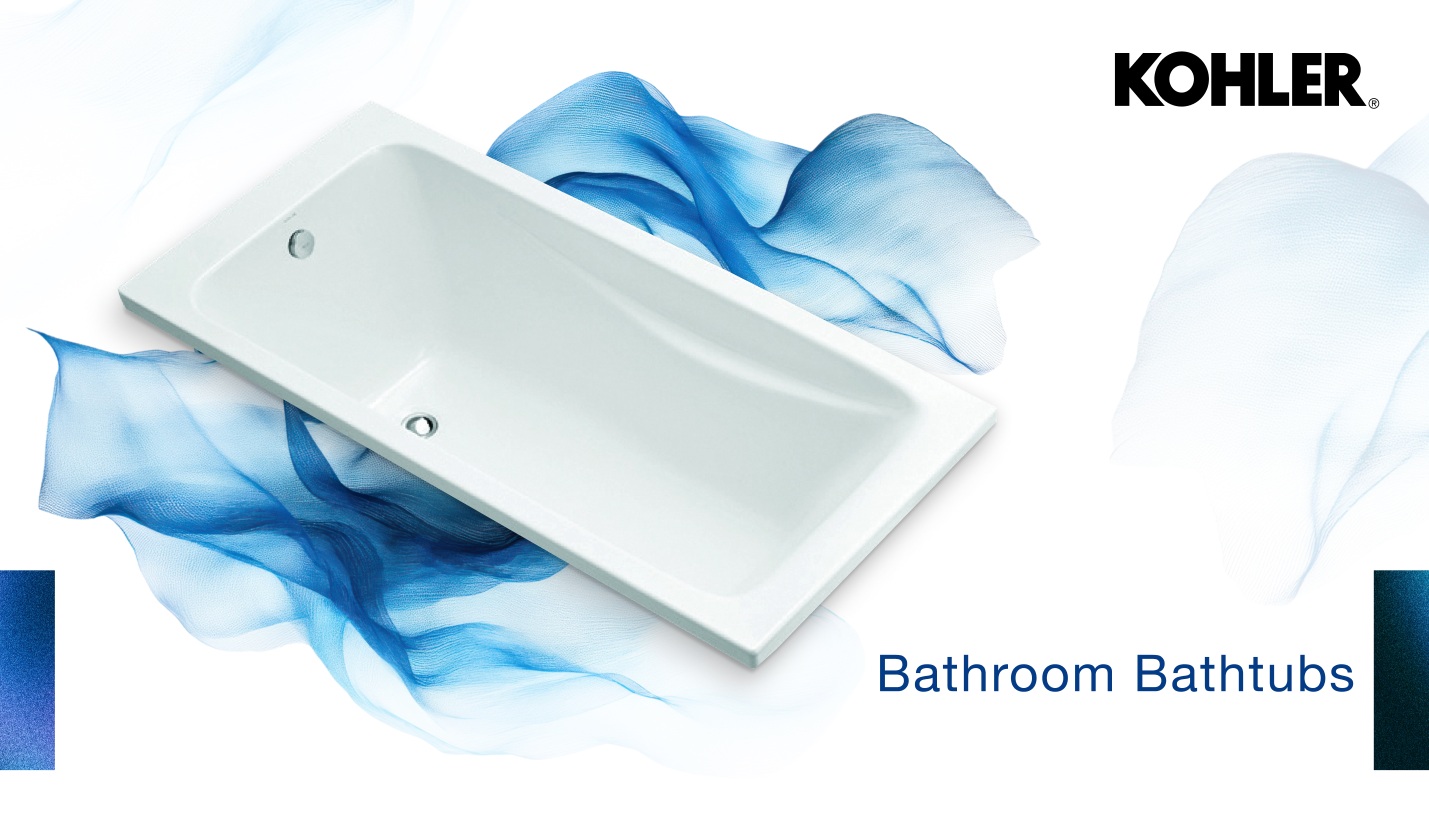
- Bath Spouts: These deliver water to fill the bathtub. They feature robust designs for high volume flow.
- Bath Fillers: These units combine temperature control and water delivery for bathing.
- Side Sprays: These attachments offer flexible water direction for targeted cleaning.
- Bib Taps: These wall-mounted fixtures serve utility purposes around the home.
- Kitchen Faucets: The manual vs sensor faucets choice applies to culinary spaces. Automated designs assist users with messy hands during food preparation.
Considering manual vs sensor faucets helps coordinate fixtures throughout the house. A consistent sensor faucet vs manual faucet strategy creates a unified interior design.
Making Your Decision on Manual vs Sensor Faucets
Both styles provide valuable functions for residential spaces. The decision between manual vs sensor faucets depends on user habits. A sensor faucet vs manual faucet comparison shows that automation enhances hygiene and conservation. Traditional models deliver simplicity and precise physical control.
Reviewing a sensor faucet vs manual faucet helps identify the right fit for specific households. Comparing manual vs sensor faucets allows buyers to evaluate long-term benefits. Homeowners find suitable solutions by studying these options. Understanding their differences guarantees a highly functional room layout.
Frequently Asked Questions
How do these fixture types differ fundamentally?
The primary distinction involves the activation method. A traditional model requires turning a handle. An automated model detects motion to release water automatically. Testing manual vs sensor faucets highlights this fundamental functional difference.
Will a touchless bathroom faucet reduce water usage?
Yes. The smart mechanism halts the stream the moment a person steps back. This reduces water waste during daily routines. Studying a sensor faucet vs manual faucet shows the conservation advantages of touchless technology.
Are these models difficult to install?
Traditional fixtures involve straightforward plumbing connections. Automated models require linking the water supply and establishing a power source. Connecting electronic components involves extra installation steps.
Which option fits my exact needs?
Let your daily habits guide the final purchase. Choose automated models for enhanced hygiene and water conservation. Select traditional models for precise temperature control and simpler maintenance. Comparing manual vs sensor faucets helps align your choice with your lifestyle.
Where should I buy my new washroom hardware?
Shoppers can explore an extensive range of washroom supplies at Kohler Bhutan. Buyers discover multiple designs to finish their upgrading tasks. Examining their catalog provides ample design inspiration for any space.