When designing a bathroom, attention usually goes to tiles, faucets, lighting. The visible details.
The Faceplate rarely gets that kind of focus.
But it should.
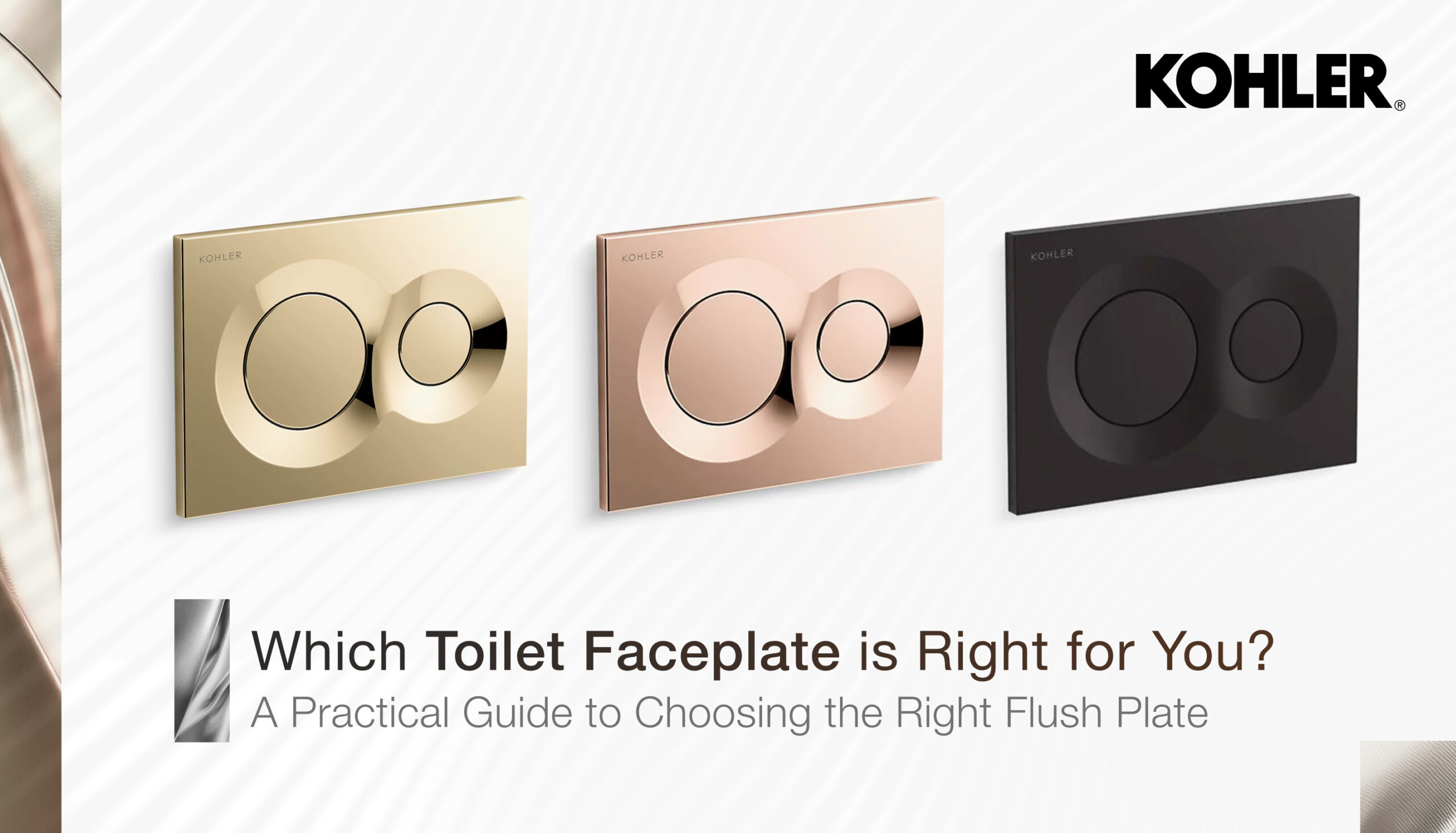
A toilet flush plate is the only visible part of a concealed cistern system. It is what you press every single day. It controls water flow. It affects efficiency. And yes, it subtly shapes how finished the wall looks once everything is installed.
If you are comparing Toilet Flush Plates and trying to decide what works best for your home in Bhutan, this guide will help you think it through properly.
What Exactly Is a Toilet Faceplate?
A Toilet Faceplate is the panel mounted on the wall above a concealed tank. The tank sits hidden behind the wall. The faceplate is the interface.
Press it, and the flushing mechanism activates inside.
Most modern systems use dual flush technology. One button releases a smaller volume of water. The other releases more. Simple in concept. Important in practice. Over time, that difference supports better water management.
But not all flush plates operate the same way internally.
Mechanical vs Pneumatic Flush Plates
This is where the real decision begins.
Mechanical Systems
A mechanical faceplate uses physical linkage rods. When you press the button, that movement directly activates the flush valve inside the tank.
It is straightforward. Direct. Reliable.
Installation, however, needs precision. The alignment between the plate and the internal mechanism must be accurate. When installed correctly, it works efficiently for years.
Pneumatic Systems
Pneumatic systems function differently. Instead of rods, they use air pressure.
Press the plate and air pressure triggers the flush valve. The connection does not rely on rigid alignment, which allows more flexibility during installation.
The actuation often feels softer. Slightly smoother.
Both systems perform well. The choice depends less on “better” and more on suitability.
What to Consider Before Buying Toilet Faceplates Online
Browsing Toilet Faceplates online can be overwhelming. Designs may look similar. Specifications may not.
Before deciding, consider a few things carefully.
Compatibility
Not every Faceplate fits every concealed tank. This is critical. Always confirm the model pairing.
Material and Finish
Flush plates are available in chrome, matte finishes, brushed metal, and glass. Choose something that aligns with your existing fittings. Consistency matters in smaller spaces.
Water Efficiency
Dual flush capability is now standard in most systems. Ensure the plate supports efficient water control without compromising performance.
Access for Maintenance
A flush plate is also the service access point for the concealed tank. Good design allows practical servicing without difficulty.
Small details. But important ones.
Why the Quality of a Faceplate Matters
A flush plate is pressed multiple times a day. Over months. Over years.
Low-quality materials may fade. Buttons may stick. The actuation may lose responsiveness.
A well-engineered Kohler face plate maintains its finish and functionality with repeated use. The movement feels consistent. The mechanism responds without hesitation.
When considering a Kohler Faceplate, the value lies in how precisely it integrates with the concealed cistern system. The external design and the internal engineering work together.
It is not just a panel. It is part of a complete flushing solution.
Selecting a Kohler Toilet Faceplate in Bhutan
For projects in Bhutan, compatibility becomes even more important. Systems must align properly with available concealed tanks and plumbing layouts.
A Kohler Toilet Faceplate is designed to work specifically with Kohler’s concealed systems. That pairing reduces uncertainty during installation and ensures reliable performance over time.
When reviewing options from Kohler, consider:
- The type of concealed tank installed
• Whether you prefer mechanical or pneumatic operation
• The finish that matches your fittings
• Ease of servicing if required
Choosing correctly at the beginning avoids adjustments later.
Making the Right Decision
If you prefer simplicity and direct mechanical activation, a rod-based system works well.
If installation flexibility or smoother actuation is a priority, pneumatic systems offer advantages.
When purchasing Toilet Flush Plates, avoid choosing based only on appearance. Performance and compatibility should guide the decision.
A Faceplate may seem like a minor detail. In reality, it is the daily touchpoint of your flushing system.
Selecting the right one ensures durability, efficiency, and a bathroom that functions as intended.
FAQs
- What does a toilet faceplate do?
It activates the concealed flushing mechanism and provides access to the internal cistern for servicing. - Are all toilet flush plates universal?
No. Flush plates must be compatible with the specific concealed tank system. - What is the difference between mechanical and pneumatic faceplates?
Mechanical systems use direct linkage rods. Pneumatic systems use air pressure for activation and allow more flexible installation. - Can I buy Toilet Faceplates online?
Yes, but always verify compatibility, finish specifications, and installation requirements before purchasing. - Why consider a Kohler face plate in Bhutan?
Kohler Bhutan offers engineered systems where the flush plate and concealed cistern are designed to work together, ensuring consistent performance and durability.